Building Muscle on a Vegetarian or Vegan Diet
You can absolutely build muscle on a vegetarian or vegan diet. The training is exactly the same, and the nutrition simply needs a little more planning, mainly around getting enough protein and a few key nutrients. Vegan muscle building comes down to hitting your protein target from varied plant sources, eating enough overall, and training hard with steady progression. If you want help building a plan around your diet, our body transformation coaching includes tailored nutrition plans.
Does plant protein build muscle as well as meat?
Research suggests that when total protein is high enough, plant-based eaters can build muscle well. The differences between plant and animal protein are real but small:
- Digestibility. Some plant proteins are slightly less well absorbed.
- Amino acid balance. Many plant foods are lower in one or more essential amino acids, particularly leucine, which plays a key role in triggering muscle growth.
Both issues are easy to manage. Eat a slightly higher amount of protein and mix your sources across the day.
How much protein you need
A common evidence-based range for people who lift is around 1.6-2.2 g of protein per kg of bodyweight per day. Many coaches suggest vegetarians and vegans aim towards the upper part of that range to cover the small digestibility gap. For more detail on the numbers, see our guide on how much protein you need to build muscle.
Aim to split that across three or four meals with a solid protein serving in each.
Best protein sources for vegetarian and vegan lifters
For vegans
- Tofu and tempeh. Versatile, filling and good value.
- Seitan. Made from wheat gluten and very high in protein. Not suitable if you need to avoid gluten.
- Lentils, chickpeas and beans. Protein plus fibre and slow-release carbohydrates.
- Edamame and soya milk. Easy additions to meals and snacks.
- Pea, soya or blended plant protein powder. Makes higher targets much easier to reach.
- Peanut butter, nuts and seeds. Useful extras, but high in calories for the protein they give.
Extra options for vegetarians
- Greek yoghurt, skyr and cottage cheese. Some of the most protein-dense foods available.
- Eggs. Cheap, quick and high quality.
- Whey protein. A convenient post-training option.
Nutrients to keep an eye on
Plant-based diets can be very healthy, but a few nutrients need attention. The NHS advises that vegans will likely need a vitamin B12 supplement or fortified foods. Other nutrients to consider include:
- Iron. Found in lentils, beans, tofu and leafy greens. Pair with vitamin C, such as peppers or citrus, to help absorption.
- Calcium. From fortified plant milks, calcium-set tofu and green vegetables.
- Omega-3. Walnuts, chia and flax help, and some vegans use an algae-based supplement.
- Iodine and vitamin D. Often worth considering, particularly through UK winters.
The NHS Eat Well pages cover these in more detail. If you are worried about deficiencies or feel unusually tired, ask your GP about a blood test.
Creatine
Creatine comes mainly from meat and fish, so research suggests vegetarians and vegans tend to have lower stores and may notice a greater benefit from supplementing. Most creatine monohydrate is made synthetically and is vegan-friendly, but check the label. Our creatine guide explains how to take it.
A sample day of eating for vegan muscle building
For someone weighing around 75 kg aiming for about 140-160 g of protein:
- Breakfast: porridge made with soya milk, a scoop of plant protein, berries and seeds.
- Lunch: tofu and vegetable stir-fry with rice and edamame.
- Snack: soya yoghurt with peanut butter, or a protein shake.
- Dinner: lentil and chickpea curry with brown rice, or seitan with potatoes and greens.
Vegetarians can swap in Greek yoghurt, eggs or cottage cheese to make the numbers easier.
Eat enough overall
Plant-based meals are often high in fibre and very filling, which is great for health but can make it hard to eat enough to grow. If your weight and strength have stalled, add calorie-dense foods like nuts, nut butters, oils, dried fruit and larger carbohydrate portions around training.
Training is no different
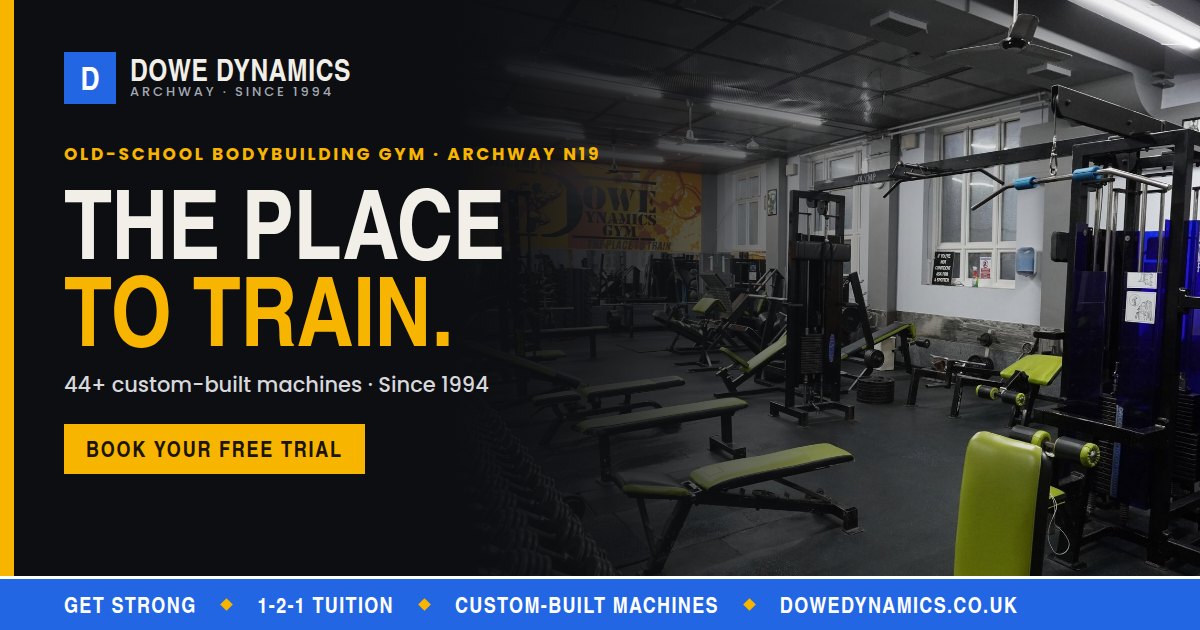
Muscle does not know what you had for lunch. Train each muscle roughly twice a week, keep most sets close to failure, and add weight or reps over time. A gym full of machines makes it easier to load every muscle safely and track progress in small steps.
FAQs
Can you build as much muscle as a vegan?
Research suggests that with enough protein and calories, plant-based lifters can build muscle at a similar rate to meat eaters. Planning is the main difference.
Do I need to combine proteins at every meal?
Not necessarily. Eating a variety of protein sources across the day is generally enough for your body to get all the essential amino acids it needs.
Is soya bad for men?
Mainstream research suggests normal dietary amounts of soya do not harm testosterone or muscle growth. It is a useful, high-quality plant protein.
Should vegans take protein powder?
It is not essential, but many vegan lifters find a pea or soya protein powder makes hitting their daily target much easier.
Build muscle your way
Whatever you eat, the gym side is the same: hard work, good technique and steady progress. Our body transformation coaching includes tailored nutrition plans and weekly check-ins, and our coaches can help with the training. Book a free trial at Dowe Dynamics, right by Archway station.

