Creatine: What It Does and Should You Take It?
Creatine is one of the most studied supplements in sport, yet it still comes with a cloud of myths. Some people think it is a steroid. Others assume it will make them bloated or damage their kidneys. And plenty of lifters take it without really knowing what it does. This guide cuts through the noise with a plain-English overview, so you can decide whether it is worth adding to your routine alongside your training here in Archway.
What is creatine?
It is a compound your body makes naturally from amino acids, mostly in the liver and kidneys. It is also found in food, especially red meat and fish. Most of it is stored in your muscles.
It is not a steroid or a hormone. It is a naturally occurring substance that you also get from your diet, just in smaller amounts than a supplement provides.
What does it do in the body?
Your muscles use a molecule called ATP for quick, powerful efforts, like a heavy set of 6 to 10 reps on the leg press. ATP runs out within seconds. Phosphocreatine, the stored form, helps your muscles regenerate ATP quickly.
Bigger stores mean you may be able to squeeze out an extra rep or two, or recover slightly faster between short, hard sets. Over weeks and months, that extra quality work can add up.
Does creatine work? What the research says
There is a large body of research on the monohydrate form. Broadly, studies suggest it can:
Support strength and power in short, high-intensity efforts.
Help increase training volume, which can support muscle growth over time.
Increase muscle water content, which can make muscles look slightly fuller.
It is not magic. It will not build muscle on its own. It works by helping you train a little harder, and the training and food still do the main work. Some people, sometimes called “non-responders”, notice very little difference, often because their diet already keeps stores high.
Researchers are also looking at possible benefits in other areas, such as older adults and brain function, but this research is still developing.
Which type should you take?
You will see many forms on the market: monohydrate, HCL, buffered, liquid and blends with fancy names. Creatine monohydrate is the form with by far the most research behind it, and it is usually the cheapest. Most people do not need anything else.
Look for products with third-party testing if you compete in a tested sport.
How much do people typically take?
Commonly used approaches in the research are:
Daily dose
A typical daily amount used by many adults is around 3 to 5 grams a day. Taken consistently, this gradually tops up muscle stores over roughly three to four weeks.
Loading phase (optional)
Some people take a higher amount, split into several smaller servings across the day, for about five to seven days, then drop to the daily dose. This fills stores faster but can cause stomach discomfort in some people. It is not essential.
Timing
Timing matters much less than consistency. Take it whenever you will remember, with a meal or after training is fine. Mixing it into water, juice or a shake all work.
Always follow the directions on your product’s label, and if you have any health condition, check with your GP before starting.
Myths and common worries
“It is bad for your kidneys”
In healthy people, research at normal doses has not shown it to be harmful to the kidneys. However, if you have kidney problems, diabetes, high blood pressure or any other medical condition, or you take regular medication, speak to your GP before using it.
“It makes you bloated”
It pulls water into the muscle, not under the skin. Some people see a small increase in scale weight early on. Stomach bloating is more common with large loading doses.
“It causes hair loss”
This idea comes from one small study. It has not been clearly confirmed, and more research is needed. If you are concerned, talk to your GP.
“You need to cycle it”
There is no strong evidence that you need to cycle on and off. Many people simply take it daily.
Who might consider it, and who should not
Many healthy adults who lift regularly, train for strength or play sports with short, explosive efforts consider using it. Vegetarians and vegans, who get very little from food, sometimes notice a larger effect.
It is generally not recommended for under-18s without professional advice, or during pregnancy or breastfeeding unless a doctor has approved it. Anyone with a medical condition should check with a GP first.
The bigger picture
Any supplement is a small add-on to the things that really count: consistent training, enough protein, decent sleep and patience. If you are still missing sessions or under-eating, sort those first. For a look at which other products are worth your money, see our post on supplements worth taking.
FAQs
Is it safe to take creatine every day?
For healthy adults, research at typical daily doses suggests it is generally well tolerated. If you have any health condition, check with your GP first.
Do I need to take creatine on rest days?
Yes. Taking it daily keeps your muscle stores topped up, which is what matters.
Will it make me gain weight?
Some people gain a little scale weight early on, mainly from water stored in the muscle.
Is it worth it for beginners?
It can be, but beginners usually get the biggest gains from learning to train well and eating properly first.
Train hard, then decide
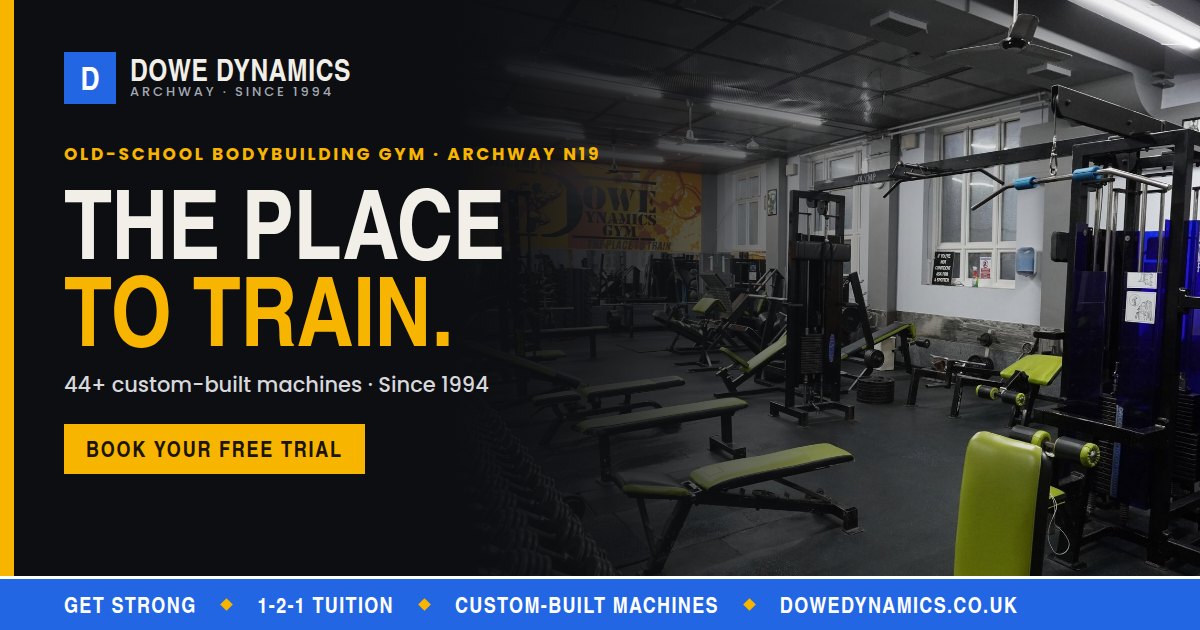
Supplements only work if the training is there. Come and see our 44+ classic Olymp machines at Dowe Dynamics in Archway and book a free trial at your own pace, or claim a complimentary PT session if you want a coach. No pressure, no hard sell.

