How Much Protein Do You Need to Build Muscle?
Ask ten people in the changing room how much protein to build muscle and you will get ten different answers, from “a chicken breast a day” to “double your bodyweight in grams”. The truth sits somewhere sensible in the middle, and it is backed by a fair amount of research. This guide gives you a practical daily range, shows you how to split it across your meals, and lists the foods that make hitting it easy.
Why protein matters when you lift
Training is the signal. When you push a muscle hard on the leg press or the seated row, you create a reason for your body to adapt. Protein supplies the raw material, the amino acids, that your body uses to repair and build muscle tissue in the hours and days after the session.
Without enough of it, the signal is still there but the building work is slower. Often the difference between two people on the same programme is what goes on the plate afterwards.
How much protein to build muscle: the evidence-based range
For most healthy adults who lift weights regularly, research points to a daily intake of roughly 1.6 to 2.2 grams of protein per kilogram of bodyweight. Around 1.6 g/kg appears to capture most of the benefit for many people, while the upper end gives a bit of insurance, especially if you are dieting.
Here is what that looks like in practice:
60 kg person: roughly 95 to 130 g a day
75 kg person: roughly 120 to 165 g a day
90 kg person: roughly 145 to 200 g a day
When to aim higher in the range
You are in a calorie deficit. Higher protein can help many people hold on to muscle while losing fat.
You are older. Muscle can become a little less responsive with age, so many people over 50 do better nearer the top of the range.
You train hard and often. More sessions means more repair work.
When the lower end is fine
If you are eating at maintenance or in a small surplus, training three or four times a week and your weight is stable, the lower to middle part of the range is usually plenty. More is not always better once you are covered.
A note on larger bodies
If you are carrying a fair amount of body fat, working from your total bodyweight can give a number that is hard to eat. A common workaround is to base it on your goal weight instead. If you have kidney problems or any medical condition, check with your GP before increasing your protein intake.
Spread it across the day
Your body does not store protein the way it stores carbs and fat, so it makes sense to feed it regularly. Rather than eating 20 g at breakfast and 120 g at dinner, aim for three to five feedings with a decent dose in each.
A useful rule of thumb is roughly 0.4 g per kg per meal, which for most people lands somewhere between 25 and 45 g. For a 75 kg lifter aiming for 140 g a day, that might look like:
Breakfast: 35 g
Lunch: 35 g
Post-training snack: 30 g
Dinner: 40 g
You do not need to be precise to the gram. Just make sure each meal has a proper protein source.
Does timing around training matter?
Getting a protein meal within a few hours either side of training is a sensible habit, but the total for the day matters far more than the exact minute. If you train after work at 7pm and eat dinner at 8.30pm, you are covered.
The best food sources of protein
Whole foods should do most of the heavy lifting. Some of the most practical options:
Animal sources
Chicken and turkey breast
Lean beef mince and steak
Fish such as salmon, cod, tuna and mackerel
Eggs and egg whites
Greek yoghurt, skyr and cottage cheese
Milk
Plant sources
Tofu and tempeh
Lentils, chickpeas and beans
Edamame
Seitan
Peas and pea protein
Plant proteins work well too. If you eat mostly or entirely plant-based, mixing your sources across the day and aiming towards the upper end of the range is a sensible move.
Where shakes fit in
A protein shake is just food in a convenient form. It is handy when you are short on time or struggling to reach your number, not a requirement. We keep whey protein at the front desk if you want a fresh shake after your session, and our post on having a protein shake after a workout covers when it is worth it.
Common protein mistakes
Guessing. Most people overestimate how much they eat. Track for a week to see your real number.
Front-loading carbs at breakfast. Toast and cereal alone are light on protein. Add eggs, yoghurt or a shake.
Ignoring the rest of the diet. Protein builds muscle, but calories, sleep and consistent training decide how fast.
Getting it right with support
Knowing the range is one thing. Hitting it every day around work, family and a London commute is another. Our Body Transformation coaching combines 1-2-1 training with personalised nutrition and weekly check-ins, so your protein target is built around the food you actually like and the hours you actually keep.
FAQs
How much protein to build muscle if I am a beginner?
The same general range of 1.6 to 2.2 g per kg applies. Beginners often grow well at the lower to middle end because the training stimulus is so new.
Can you eat too much protein?
For most healthy people, intakes within and a little above the usual range appear to be well tolerated. If you have a kidney condition or other health concern, speak to your GP first.
Is 30 g of protein per meal enough?
For many people, 25 to 40 g per meal is a good target. Larger people, or those eating fewer meals, may benefit from a bit more each time.
Do I need protein on rest days?
Yes. Repair and growth carry on between sessions, so keep your daily intake steady even when you are not training.
Put it into practice
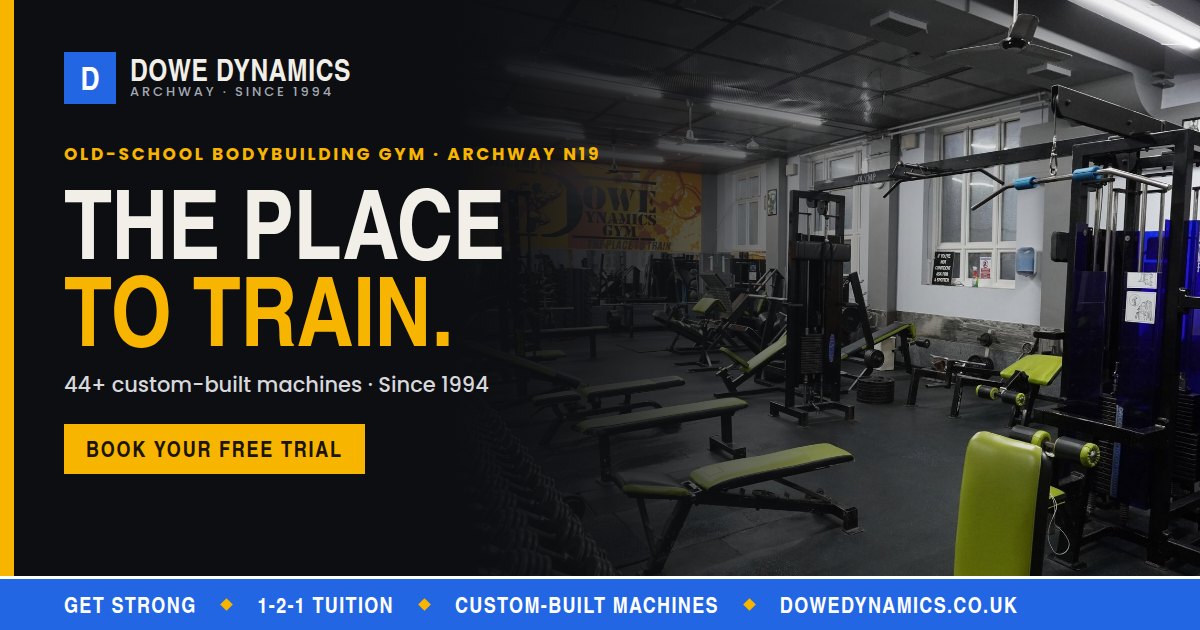
Good food needs good training to work with. Come and see the Olymp machines and the old-school floor for yourself at Dowe Dynamics, a few minutes from Archway station. Book your free trial, or claim a complimentary PT session if you want a coach, no pressure and no hard sell.

