Strength Training for Desk Workers: Undo the Damage of Sitting
Eight hours in a chair, an hour on the Northern line, then a sofa in the evening. Most people who work at a desk spend more of the day sitting than sleeping, and the body adapts to whatever you do most. Shoulders creep forward, the backside stops doing its job and the front of the hips gets short and stiff. The good news is that strength training for desk workers does not need to be complicated. A few well-chosen exercises, done consistently, can help you feel more upright, more mobile and a lot less creaky by Friday afternoon.
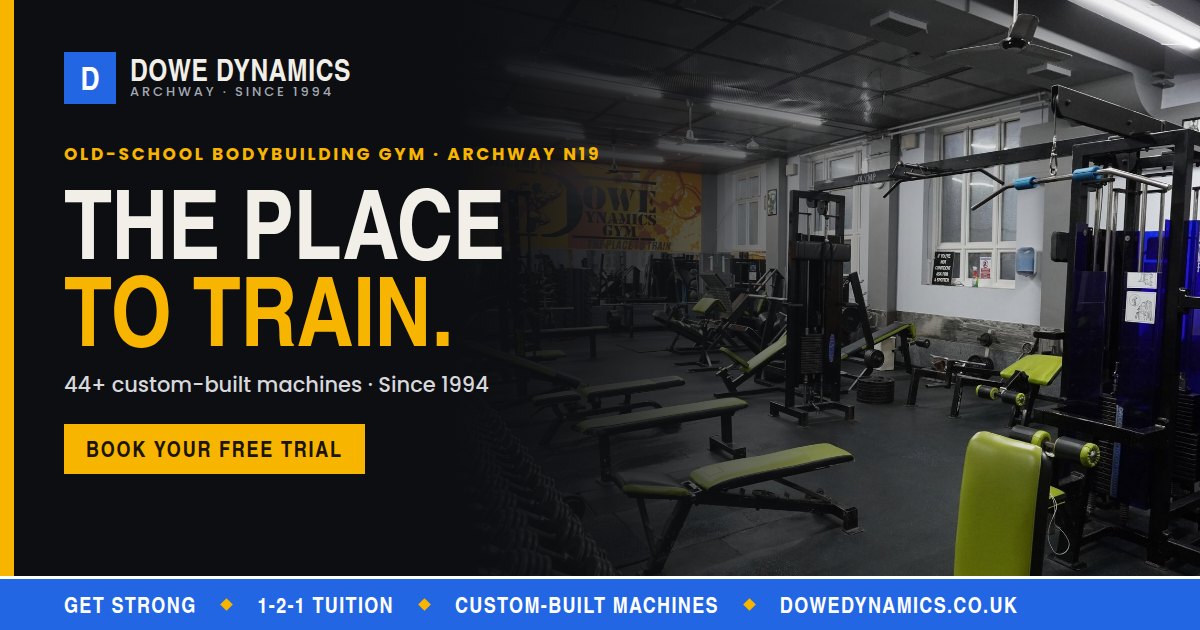
At Dowe Dynamics in Archway we see plenty of office workers, from Highgate and Kentish Town commuters to people working from home in N19.
What sitting actually does to you
Sitting is not poison. The problem is doing one position for hours with nothing to balance it out. Over time, many people notice a familiar pattern:
- Upper back: the muscles between and below the shoulder blades get lazy while the chest stays short, so the shoulders round forward over the keyboard.
- Glutes: they spend all day stretched and switched off, so the lower back and hamstrings end up picking up their work.
- Hip flexors: the muscles at the front of the hip sit in a shortened position for hours and can feel tight when you stand up.
- Neck: the head drifts forward to read the screen, and the upper traps take the strain.
None of this is a diagnosis, and if you have pain that is sharp, constant or getting worse, see your GP or a physio first. But for the general stiffness most desk workers describe, building strength in the right places is one of the most practical things you can do.
Strength training for desk workers: the three priorities
You do not need to train everything equally. Put most of your effort into the areas sitting neglects.
1. Pull more than you push
The average gym-goer loves chest press and ignores rows. Desk workers should do the opposite for a while. Aim for roughly two pulling sets for every pushing set. Rows and pulldowns train the muscles that hold your shoulders back, which is exactly what a day hunched over a laptop works against.
2. Wake the glutes up
Strong glutes help you stand tall and take pressure off the lower back. Leg press with a full range and slow, controlled reps both help.
3. Open the front of the hips
Strength work and mobility work go together here. Squeezing the glutes hard at the top of a movement gently stretches the hip flexors on the same side. Add a couple of kneeling hip flexor stretches at the end of each session and you will feel the difference getting up from your desk.
The machines that help most
Machines suit strength training for desk workers because they guide you through a safe path, so you focus on the muscle rather than balance. On our floor you would use:
- Seated lever row: the backbone of the programme. Pull your elbows back, squeeze the shoulder blades together, pause, then control the return.
- Olymp lat pulldown: pull towards the top of the chest, keep the chest proud and avoid swinging.
- Horizontal leg press: push through the whole foot and drive the hips into the pad. Great for glutes and thighs without loading the spine.
- Standing leg curl: hamstrings often get tight and weak from sitting. This trains them one leg at a time.
- Adjustable ab bench: a strong trunk helps you hold good posture for longer. Controlled crunches and reverse crunches are plenty.
If you are new to machines, our full-body machine workout for beginners walks through settings and form in more detail.
A simple weekly plan
Two or three sessions a week is enough. Try this, resting about 90 seconds between sets:
- Seated lever row - 3 sets of 10-12
- Horizontal leg press - 3 sets of 10-12
- Olymp lat pulldown - 3 sets of 10-12
- Standing leg curl - 2 sets of 12 each leg
- Olymp chest press - 2 sets of 10
- Adjustable ab bench - 2 sets of 12-15
- Kneeling hip flexor stretch - 2 x 30 seconds each side
Add a little weight or a rep when the last set feels comfortable. That is progressive overload, and it is how you keep getting stronger.
Fitting it around a working day
Our weekday hours are 7:00am to 9:00pm, which suits most office schedules. Some train before work, others come straight from the station after. Because our memberships are capped, the floor stays quiet at peak times, so a 45-minute session actually takes 45 minutes rather than an hour of queuing.
Between sessions, stand up every 30 to 45 minutes and walk part of your commute if you can.
When massage helps
Some areas stay stubbornly tight even when you train well, especially the upper back, neck and hips. Many desk workers find regular soft tissue work makes their training feel easier. Treatments 4 You work inside the gym, and their sports massage options in Archway include a 50-minute deep tissue massage at £50 and a 45-minute dynamic stretching session at £45.
If you would rather have a plan built around your schedule and your body, our coaches offer 1-2-1 sessions and can show you exactly where to start.
FAQs
How often should desk workers do strength training?
Two to three sessions a week is a realistic, effective target. Consistency over months matters far more than one big week.
Can strength training help with bad posture?
Many people find that stronger upper back and glute muscles make it easier to sit and stand tall. If you have ongoing pain, check with a GP or physio before starting.
Are machines or free weights better for office workers?
Both work. Machines are a great starting point because they guide the movement and make progress easy to track.
Is 30 minutes in the gym enough?
Yes, if you stick to the main exercises and keep rest periods sensible. A focused half hour beats a distracted hour.
Start undoing the damage
You sit for a living. You do not have to feel like it. Book a free trial at Dowe Dynamics, a short walk from Archway station, and we will show you round the machines and give you a complimentary session with a coach. Have a look at our membership options and come and see the place for yourself.

