Core Strength Exercises: 8 Moves That Actually Work
A strong core is about far more than a visible six-pack. It is what keeps your trunk stable when you press on the chest press, brace on the leg press or carry the shopping up the stairs at Archway station. The right core strength exercises build that stability and control, not just a burn in your stomach. Here are eight moves that actually work, how to do them, and how to fit them into your training.
Why the Core Matters
Your core is not one muscle. It includes the abdominals, obliques, lower back muscles, deep stabilisers and the muscles around your hips. Together they:
- Transfer force between your upper and lower body
- Stabilise your spine during lifts, so your limbs can work hard
- Resist unwanted movement, such as twisting or arching under load
- Support everyday tasks, from lifting a suitcase to sitting tall at a desk
Many people find that strengthening their core helps them feel more stable in the gym and in daily life. If you have existing back pain, check with your GP or a physio before starting new core work.
The Two Types of Core Training
Good core training includes both:
- Movement exercises, where the trunk flexes or the hips move, such as crunches and knee raises.
- Anti-movement exercises, where you resist motion, such as planks and Pallof presses.
The best core programmes use a mix of the two.
8 Core Strength Exercises That Work
1. Adjustable ab bench crunch
The classic, done properly. Set the adjustable ab bench to a slight decline. Curl your ribcage towards your hips rather than yanking your head forward. Pause and squeeze at the top, then lower slowly. Increase the decline as you get stronger.
- Sets and reps: 3 x 12-15
2. Front plank
Forearms under shoulders, body in a straight line from head to heels. Squeeze your glutes, brace as if someone is about to poke your stomach, and breathe. Quality matters more than time.
- Sets and duration: 3 x 20-45 seconds
3. Side plank
Forearm under shoulder, hips lifted so your body forms a straight line. This targets the obliques and the muscles that stop you bending sideways.
- Sets and duration: 2-3 x 20-30 seconds per side
4. Dead bug
Lie on your back, arms pointing at the ceiling, knees bent at 90 degrees above your hips. Press your lower back gently into the floor. Slowly extend one arm overhead and the opposite leg out, then return and switch sides. If your back lifts, shorten the range.
- Sets and reps: 3 x 6-10 per side
5. Pallof press
Using a cable or resistance band fixed at chest height, stand side-on to the anchor. Hold the handle at your chest and press it straight out in front of you, resisting the pull that tries to twist you. Hold for two seconds, bring it back, repeat.
- Sets and reps: 3 x 8-12 per side
6. Hanging knee raise
On the lever power station, hang from the bar or use the elbow supports. Without swinging, curl your knees up towards your chest, rolling your pelvis up at the top. Lower with control. Too easy? Straighten your legs gradually.
- Sets and reps: 3 x 8-15
7. Bird dog
On hands and knees, extend one arm forward and the opposite leg back until both are in line with your body. Hold briefly without letting your hips rotate, then switch. Simple, but very effective for back and hip control.
- Sets and reps: 2-3 x 8 per side
8. Reverse crunch
Lie on the ab bench, holding the top for support. With knees bent, curl your hips off the bench towards your chest, then lower slowly. This places more emphasis on the lower part of the abdominals.
- Sets and reps: 3 x 10-15
How to Fit Core Work Into Your Week
You do not need a separate “abs day”. Two or three short core blocks a week, at the end of your main sessions, is plenty for most people.
Sample core circuit A
- Ab bench crunch: 3 x 12-15
- Dead bug: 3 x 8 per side
- Side plank: 2 x 30 seconds per side
Sample core circuit B
- Hanging knee raise: 3 x 10-12
- Pallof press: 3 x 10 per side
- Front plank: 3 x 30-45 seconds
Progress them like any other exercise: add reps, add time, increase the bench angle or add load. If you want a ready-made week to slot them into, our 3 day gym split for busy Londoners works well.
A Note on Six-Packs
Core strength exercises build and strengthen the muscles, but whether you can see them depends mostly on body fat levels. That comes down to nutrition, consistency and overall training. No amount of crunches will burn fat from one specific area.
Getting Your Technique Right
Core exercises are easy to do badly. Arching backs on planks, swinging on knee raises and pulling on the neck during crunches are all common. A few minutes with a coach can make a big difference. Our coaches at Dowe Dynamics can check your form and build core work into a full programme.
FAQs
How often should I train my core?
Two to three times a week is enough for most people, usually as a short block at the end of a session.
What is the best core exercise for beginners?
The dead bug and front plank are great starting points, as they teach you to brace and control your trunk without much load.
Will core exercises give me a six-pack?
They strengthen the muscles, but visible abs mostly depend on body fat levels, which comes down to nutrition and overall training.
Can core exercises help with back pain?
Many people find a stronger core helps them feel more supported, but if you have back pain, check with a GP or physio before starting.
Build a Stronger Core With Us
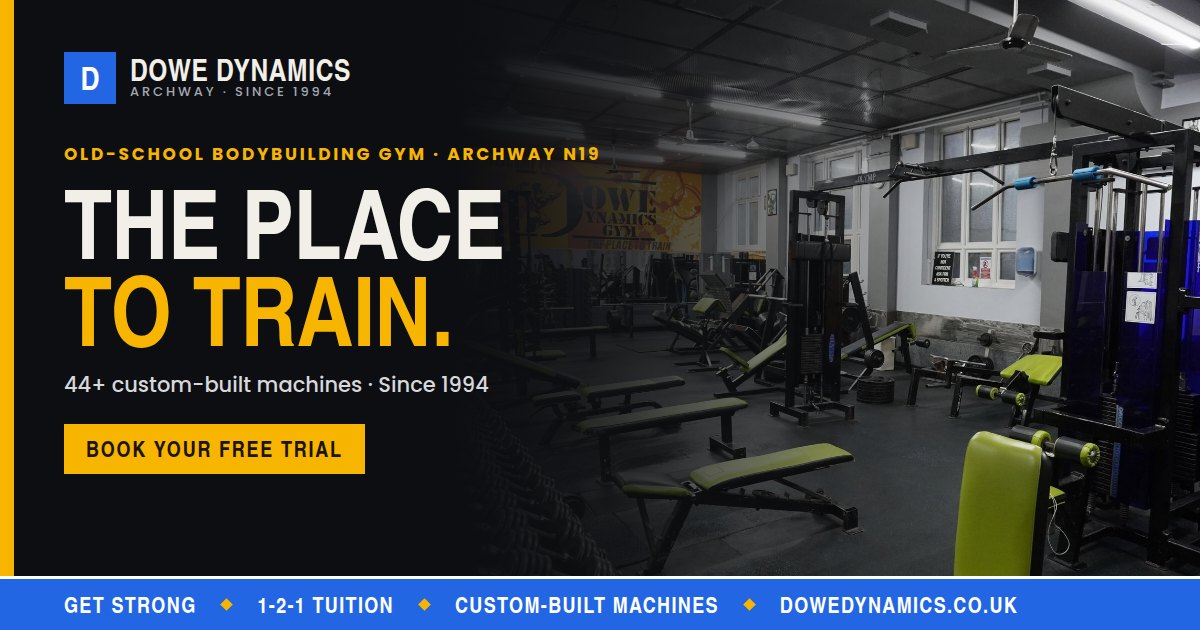
Our gym in Archway has the adjustable ab bench, lever power station and plenty of space for floor work, without the crowds. Book a free trial with a complimentary coach session and check the Elite Membership details.

