Cupping Therapy: What It Is and What to Expect
You have probably seen them at the swimming pool or on a sprinter’s back: neat circles of red or purple, lined up across the shoulders. Those are cupping marks, and they have made a once niche treatment surprisingly mainstream. If you have searched for cupping therapy London options but are not sure what actually happens, how it feels or whether it is for you, this guide walks you through it.
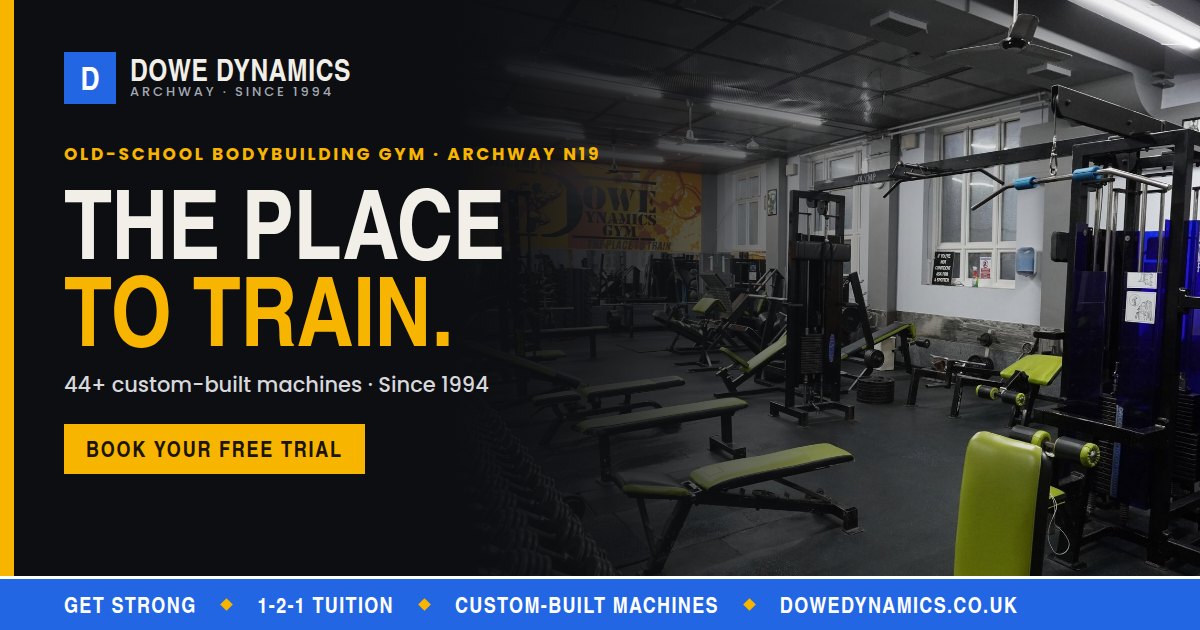
At Dowe Dynamics in Archway, cupping is offered inside the gym by Treatments 4 You as a 50-minute Cupping & Mobilisation session for £50.
What is cupping?
Cupping is a soft tissue technique that uses suction rather than pressure. Instead of pressing down into the muscle like a traditional massage, the therapist places cups on the skin and creates a vacuum inside them. That lifts and draws the skin and the tissue underneath up into the cup.
Cupping has been used in different forms across many cultures for a long time. Modern sports therapists tend to use it alongside other hands-on techniques rather than on its own.
There are two common approaches:
- Static cupping: cups are placed on an area and left in position for a few minutes.
- Moving cupping: oil is applied to the skin and the therapist glides the cups along the muscle.
The Cupping & Mobilisation session at our gym combines cupping with mobility work, so you are not just lying still. The aim is to help you feel looser and move more freely when you get back on the gym floor.
How does cupping feel?
This is usually the first question. For most people, cupping feels like a strong pulling or tugging sensation rather than a pinch or a push. It can feel quite intense over tight areas, and gentler over others.
A few things people commonly describe:
- a deep stretching sensation, as if the skin is being lifted
- warmth in the area during and after the session
- a feeling of looseness once the cups come off
- occasional tenderness for a day or so, similar to a firm massage
Your therapist can adjust the suction. If anything feels too strong, say so. It should feel intense at times but never sharp.
About those marks
The round marks are the part everyone notices. They appear because the suction draws blood towards the surface of the skin in the area under the cup. They are usually painless to the touch and they fade over several days, sometimes up to a week or so.
How dark they look varies a lot from person to person, and even from one part of the back to another. Some people barely mark at all.
Practical tips:
- If you have a wedding, holiday or photo shoot coming up, plan your session well before it.
- Wear a top that covers your back for a few days if you would rather not explain them.
- Ask your therapist to avoid particular areas if you need to.
Who does cupping therapy suit?
Cupping therapy is popular with London gym-goers, runners and anyone who carries tension in the back, shoulders, glutes or legs. Many people find it suits them if they:
- train regularly and feel tight in the same areas week after week
- prefer a different sensation to firm thumb and elbow pressure
- want to combine soft tissue work with mobility in one session
- simply want to try something new as part of their recovery routine
When to check first
Cupping is not suitable for everyone. Speak to your GP before booking if you are pregnant, take blood-thinning medication, have a skin condition, a bleeding disorder or any other health condition. Always tell your therapist about your medical history before you start.
What to expect at your appointment
A typical session goes something like this:
- Quick chat: your therapist asks about your training, any tight areas and your health history.
- Warm-up: some hands-on work to prepare the muscles.
- Cupping: cups are applied, left in place or moved, depending on the area.
- Mobilisation: movement and stretching to help you make the most of the session.
- Aftercare: advice on drinking water, easing back into training and what to look out for.
Afterwards, many people prefer a lighter session or a rest day rather than heavy lifting straight away.
If you are weighing up cupping against other options, our sports massage in Archway guide compares all four treatments in the gym.
Cupping therapy London locals can reach easily
You do not need to head into the West End for this. Treatments 4 You work inside Dowe Dynamics, a short walk from Archway station on the Northern line, making it easy to reach from Highgate, Tufnell Park, Holloway, Crouch End and Kentish Town.
FAQs
Is there cupping therapy London residents can book near Archway?
Yes. Treatments 4 You offer it inside Dowe Dynamics at 2-4 Navigator Square, N19, a short walk from Archway station.
Does cupping hurt?
Most people describe it as a strong pulling sensation rather than pain. Your therapist can reduce the suction if it feels too intense.
How long do cupping marks last?
Usually several days, and sometimes up to a week or so. They vary a lot between people.
How much does cupping cost in Archway?
A 50-minute Cupping & Mobilisation session with Treatments 4 You at Dowe Dynamics costs £50.
Book your cupping session
Ready to try it? Message Treatments 4 You on WhatsApp on 07939 810 660 to book a Cupping & Mobilisation session. You can find full details of every treatment on our Treatments 4 You page.

