Strength vs Hypertrophy Training: What's the Difference?
Do you want to lift more, or look bigger? For a lot of people the honest answer is both, which is why the **strength vs hypertrophy** debate causes so much confusion. Strength training is about the maximum force you can produce. Hypertrophy training is about growing the size of the muscle. They are closely linked, they overlap heavily, and yet the way you set up your sets, reps and rest should change depending on which one you are prioritising. Here is a clear breakdown from our floor in Archway, N19, where powerful lifters and classic physiques have trained side by side since 1994.
## What is strength training?
Strength training aims to increase how much weight you can move, usually for a low number of reps. A lot of the early gains come from your nervous system getting better at recruiting muscle fibres and coordinating the movement. That is why someone can get noticeably stronger in their first months without looking much bigger.
Typical features:
- **Heavier loads**, often around 80 percent or more of your one-rep max.
- **Low reps**, usually 1 to 6 per set.
- **Longer rest**, often 2 to 5 minutes, so each set is performed at full power.
- **Focus on a smaller number of main lifts**, practised often.
## What is hypertrophy training?
Hypertrophy simply means muscle growth. The goal is to give a muscle enough challenging work to adapt by getting bigger, then let it recover.
Typical features:
- **Moderate loads**, heavy enough to make the target reps hard.
- **Moderate reps**, commonly 6 to 15, though higher reps can work when sets are taken close to failure.
- **Moderate rest**, often 60 seconds to 2 minutes, longer for big compound lifts.
- **More total sets** spread across more exercises and angles, including isolation work.
## Strength vs hypertrophy: the key differences
Put side by side, the main differences are:
- **Goal**: strength is about performance on specific lifts; hypertrophy is about muscle size and shape.
- **Rep range**: strength sits low, hypertrophy sits in the middle.
- **Volume**: hypertrophy usually involves more total sets per muscle.
- **Exercise choice**: strength focuses on fewer, heavier lifts; hypertrophy uses a wider range, with machines and isolation exercises playing a bigger role.
- **What you measure**: strength is measured on the bar or stack; hypertrophy is measured in the mirror, photos and a tape measure.
## Where they overlap
This is the part people miss. A bigger muscle has more potential to be strong, and getting stronger lets you use heavier weights in your muscle building rep ranges. Each one feeds the other.
- Many bodybuilders are very strong, and many strength athletes carry a lot of muscle.
- Muscle can be built across a wide range of reps, as long as sets are hard enough.
- Progressive overload drives both. Adding weight or reps over time is the common thread.
So you do not have to pick one forever. Most lifters do best by spending some time emphasising each.
## Which should you prioritise?
### Choose a strength focus if:
- You want to perform better in a sport or physical job.
- You have been training a while and your lifts have stalled.
- You enjoy heavy, low-rep work and measuring progress in numbers.
### Choose a hypertrophy focus if:
- Your main goal is to look more muscular or change your shape.
- You are working on a body transformation or building towards a physique goal.
- You want to bring up specific weak points.
### Or combine them
A very effective set-up for many people is to start a session with one heavier strength-focused exercise, then move on to moderate rep hypertrophy work. For example:
1. Horizontal leg press: 4 sets of 4-6 reps, rest 3 minutes.
2. Leg extension: 3 sets of 10-12 reps, rest 90 seconds.
3. Standing leg curl: 3 sets of 10-15 reps, rest 90 seconds.
You get a strength stimulus and plenty of muscle building volume in one session.
## Why machines suit both goals
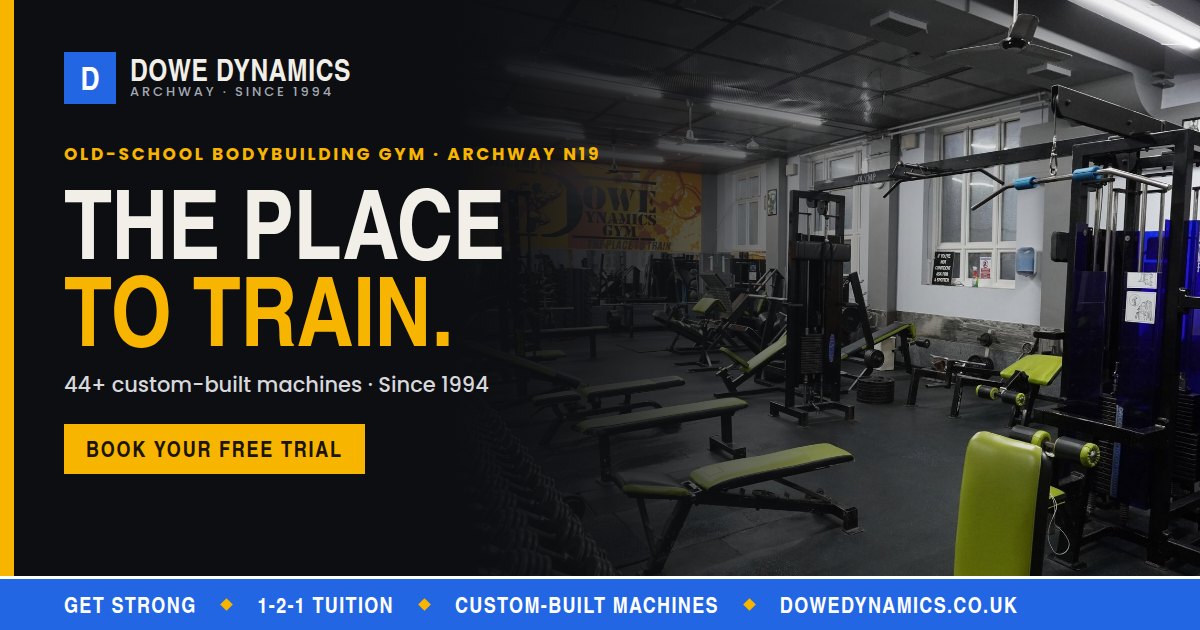
Old-school iron is not just for bodybuilders. A quality plate or stack machine lets you load heavy safely for strength work, and then switch to controlled, higher-rep sets for hypertrophy without changing station. With 44+ Olymp and classic machines on our floor, and capped memberships so they are free when you want them, you can run either style without compromise.
For more on rep ranges specifically, our guide to [sets and reps to build muscle](https://dowedynamics.co.uk/post/sets-and-reps-to-build-muscle) goes deeper.
## FAQs
### Is hypertrophy training good for strength?
Yes, to a point. Building muscle gives you more potential to be strong, and many people get stronger on hypertrophy programmes. To maximise strength on specific lifts, you will eventually need some heavier, lower rep work.
### What rep range is best for strength vs hypertrophy?
Strength usually sits around 1 to 6 reps. Hypertrophy commonly sits around 6 to 15 reps. The ranges overlap, and effort matters as much as the number.
### Can you train for strength and size at the same time?
Yes. Many lifters start a session with a heavier lift for strength, then use moderate reps for muscle growth on the remaining exercises.
### Do I need free weights for strength training?
Not necessarily. Heavy machine work can build a lot of strength, and many people find it easier to load safely without a spotter.
## Train with purpose
Whether you want bigger numbers or a bigger frame, the right plan makes the difference. Talk to [our coaches](https://dowedynamics.co.uk/gym-in-archway-dowe-dynamics-coaches) about your goal, or book a free trial through [our Elite Membership page](https://dowedynamics.co.uk/gym-in-archway-dowe-dynamics-memberships). We are a short walk from Archway station, with easy access from Highgate, Holloway and Tufnell Park.
Back to Blog
