Compound vs Isolation Exercises: Do You Need Both?
Some people swear that compound lifts are all you need. Others spend whole sessions on curls and lateral raises. The compound vs isolation exercises argument has been running in gyms for as long as there have been gyms, and the golden-era bodybuilders on our walls in Archway would tell you the answer was never one or the other. You need both, used for the right jobs, in the right order. This guide explains what each type is, how quality machines cover both, and how to fit them into a programme that builds a complete physique.
What is a compound exercise?
A compound exercise moves more than one joint and works several muscle groups at once. Think of pushing, pulling and pressing with your legs.
Examples on our floor:
Horizontal leg press: hips and knees, working the quads, glutes and hamstrings.
Olymp chest press: shoulders and elbows, working the chest, front delts and triceps.
Olymp lat pulldown: shoulders and elbows, working the lats, upper back and biceps.
Seated lever row: the mid-back, rear delts and arms together.
Tricep dip machine: chest, shoulders and triceps.
Compound movements let you use heavier loads, train a lot of muscle in a short time, and build strength that carries over to everyday life.
What is an isolation exercise?
An isolation exercise moves a single joint and targets one muscle, or a small group, much more directly.
Examples:
Olymp leg extension: knee only, targeting the quads.
Standing leg curl: knee only, targeting the hamstrings.
Olymp preacher curl: elbow only, targeting the biceps.
Adjustable ab bench crunches: targeting the abdominals.
Isolation work lets you focus on a muscle that might be getting less out of the big lifts, add volume without heavy loading, and train around a niggle in another joint.
Compound vs isolation exercises: the strengths of each
Why compound movements matter
Efficiency: more muscle trained per set.
Load: heavier weights mean a strong stimulus for strength and size.
Coordination: several muscles learn to work together.
Why isolation movements matter
Targeting: if your triceps tire long before your chest on a press, the chest may never get fully worked. Isolation fixes that.
Weak points: a lagging muscle gets direct attention. More on that in our post on fixing weak points and symmetry.
Joint friendly volume: you can add sets for a muscle without hammering your lower back or knees.
Feel: isolation is often the easiest way to learn what a muscle working properly feels like.
Neither is better overall. When it comes to compound vs isolation exercises, they simply do different jobs.
How machines cover both
A common myth is that machines are only for isolation. In reality, a well-equipped machine gym covers both types brilliantly. The leg press, chest press, pulldown, seated row and dip machine are all compound movements. The leg extension, leg curl and preacher curl are classic isolation movements.
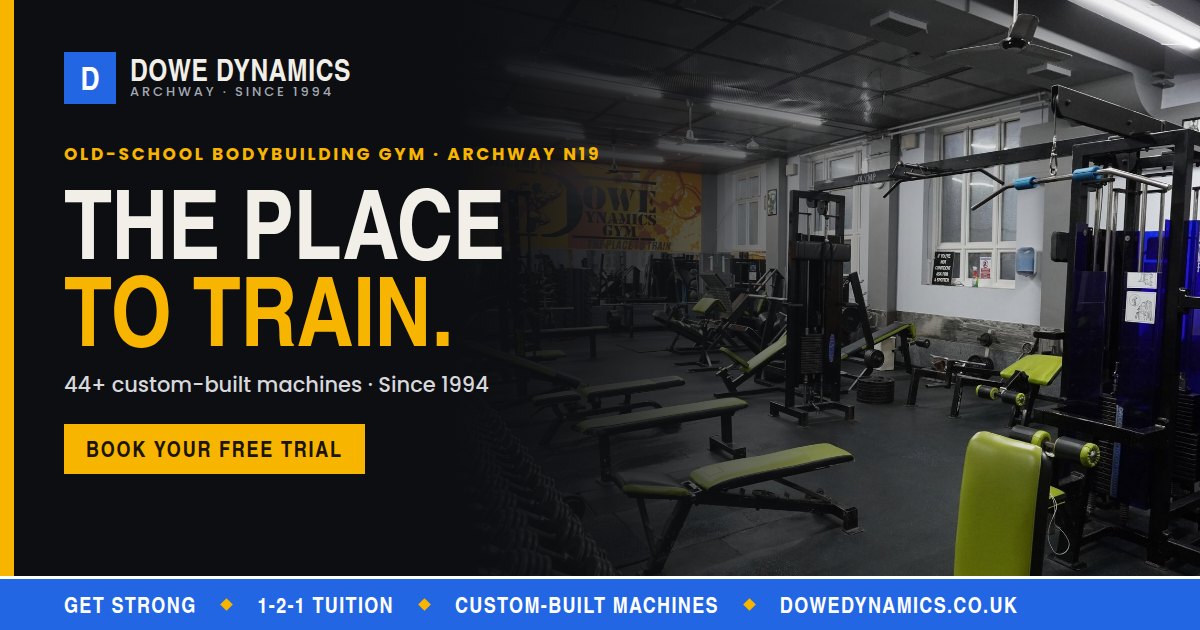
What machines add is control. The fixed path means you can push compound lifts hard without needing a spotter, and isolate a muscle precisely without other muscles stealing the work. That is a big reason the Olymp machines have been a fixture of serious bodybuilding gyms for decades, and why we have 44+ of them on the floor.
How to programme them together
Once you understand compound vs isolation exercises, putting them in order is straightforward. A simple, proven structure for most sessions:
Start with compound exercises. Do them when you are freshest, because they need the most energy and give the biggest return.
Follow with isolation exercises. Use them to finish off the muscles you have just trained, or to bring up a weak area.
Keep the balance sensible. For most people, roughly two compound movements to one or two isolation movements per muscle group works well.
Example: lower body session
Horizontal leg press: 3-4 sets of 6-10 reps.
Standing leg curl: 3 sets of 10-12 reps.
Olymp leg extension: 3 sets of 12-15 reps.
Example: upper body session
Olymp chest press: 3-4 sets of 6-10 reps.
Olymp lat pulldown: 3-4 sets of 8-10 reps.
Seated lever row: 3 sets of 10-12 reps.
Preacher curl: 2-3 sets of 10-12 reps.
Tricep dip machine: 2-3 sets of 10-12 reps.
Pre-exhaust: the exception
Some lifters deliberately put an isolation movement first, such as leg extensions before leg press. This pre-tires the target muscle so it works harder during the compound lift. It can be useful for a muscle that never seems to get the work, but it means using less weight on the compound, so treat it as an occasional tool.
Who should use more of which?
Beginners: mostly compound movements, with a little isolation work for the arms and core.
Intermediate lifters: a solid mix, with isolation used to target specific muscles.
Experienced bodybuilders: still compound-led, but with more isolation for detail, shape and weak points.
Anyone working around a niggle: isolation can help keep training going. Check with a GP or physio if something hurts.
FAQs
Can you build muscle with only compound exercises?
You can build a good amount of muscle with mainly compound exercises, but some muscles, such as the biceps, calves and side delts, often respond better with direct isolation work too.
Are isolation exercises a waste of time?
No. They are a great way to target specific muscles, add volume without heavy loading, and bring up weak points.
Should I do compound or isolation exercises first?
For most people, compound first while fresh, then isolation. Pre-exhaust is an exception for specific goals.
Are machines compound or isolation?
Both. A leg press or chest press is a compound movement. A leg extension or preacher curl is isolation.
Train both on proper iron
If you want a floor where every compound and isolation movement you need is ready and waiting, come and try it. Book a free trial through our Elite Membership page, train on the Olymp machines at your own pace, or claim a complimentary PT session if you want a coach. We are a short walk from Archway station, or call 020 7281 2267.

